
Fundamentals of art: slowing down
I’m deciding to take things more slowly both in art and life. Here’s why…
The biggest reason is the attention economy. Sometimes it feels like everyone and everything is shouting all at once to be heard: 24-hour news cycles pumping out constant streams of information and commentary. Social media platforms that have been built to capture our attention so they can mine that data and sell it to companies that fund narcissistic political leaders and the rise of fascism. Our attention has been turned into a commodity and I am sick and tired of it. I want to resist this. I want to intentionally allow myself time and space to process, rather than just reacting and mindlessly scrolling on my phone. I want to act, not react all the time.
Reactivity makes everything feel urgent, even the things that really don’t need to be. When I get excited about something, an idea or a new project, it’s easy to mistake that excitement for urgency. I worry if I don’t rush into creating and working on it right now the idea will evaporate or get lost. But, not every seed becomes a plant. Seeds germinate in their own time. I am going to start thinking of my ideas as weeds. (Bare with me here, I’m a gardener and I have a degree in biology, so I love a good plant metaphor. And the irony of using a weed metaphor about waiting and slowness, when “grow like weeds” is a saying, is not lost on me, but I think I can convince you why this makes sense.)
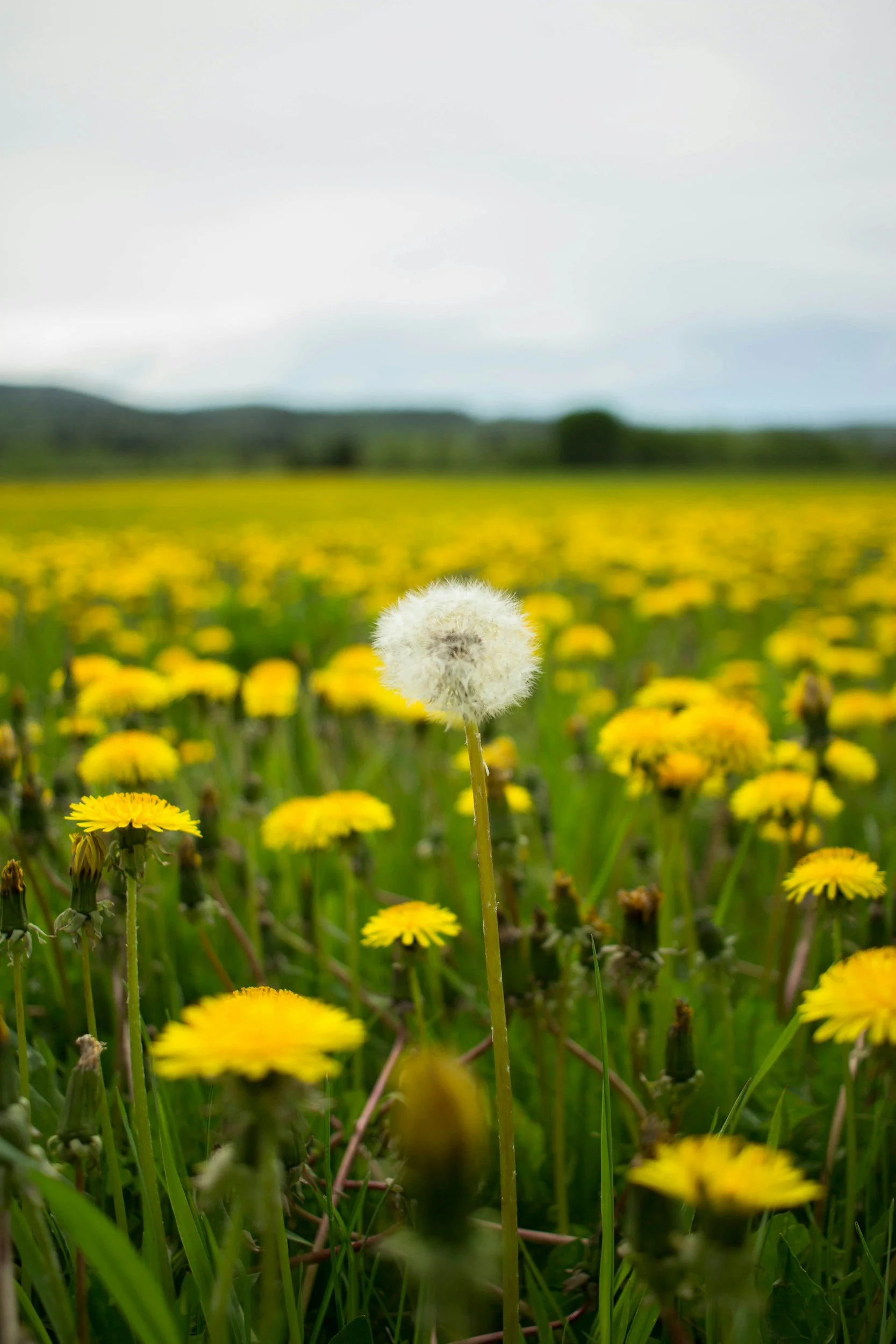
Photo by Elijah Hiett on Unsplash
Weeds can be the bane of a gardener’s existence, but I also think there’s a lot we can learn from these incredibly resilient and persistent plants. As Ralph Waldo Emerson observed, a weed is “a plant whose virtues have not yet been discovered.” It’s imporant to note that not all weed species are invasive. Many species of plants we call weeds are native to the land you live on. For a plant species to be considered a weed it means it has attributes that make it “weedy.” These attributes include things like being able to grow in a variety of different environments, good at competing for resources, mechanisms for wide seed dispersal to new areas, and they produce a lot of seeds. There’s something I learned about recently called the weed seed bank. One of the ways “weeds” are so successful is because their seeds remain viable for years in the soil, waiting for the right conditions to germinate.
“What is a weed? A plant whose virtues have not yet been discovered.”
I want to start thinking of my ideas as the seeds of weedy plants. They don’t all need to start growing at the same time. Some can wait. Excitement about an idea is a good sign, it means it matters to you, but it does not mean it is urgent. One way I’m combatting this is to write ideas down when they come to me. I have a terrible memory, so I’ve been pulling out a notebook, or my notes app if my phone is closer to hand, and jotting the idea down there. I find that helps assuage the urgency a bit. I know I have recorded it somewhere and can return to it. Maybe not tomorrow, or even in the next year. Maybe several years from now, but it will be there waiting for me when I’m ready, just like those weed seeds in the soil seed bank, laying dormant until the soil is tilled and they reach the surface and are given light and water to grow. Urgency makes us react without listening, most importantly to ourselves. This is when we lose our creative voice and drive. Going more slowly allows space for listening to ourselves and others more deeply.
Like anything I think retraining oneself for slowness starts small. It’s definitely not a shift you can make all at once, and it isn’t always appropriate to go slow. There are times to move fast and take action quickly, but I believe that letting go of urgency in your daily life will make you more prepared and ready to meet those moments when they come. So how can you start to prioritize slowness? Here’s what that looks like for me right now:
Carving out 10 minutes in my morning routine to journal, sketch or simply look out the window with my morning coffee.
Taking walks outside, even if it’s just around the block. And being “leisurely” about it. In other words, noticing as I walk. “Oh look! That neighbor painted their front door a new lovely color.” or “Wow! Look at the cool fuzzy buds on this magnolia tree. They’re so soft!”
Setting aside time before bed to read a book I am enjoying.
Taking my time and enjoying the process of making art, rather than just focusing on the end result. This week I started a new illustration, and after I finished the initial sketch, I decided to put it down and not rush right into the next phase. I’ve been working on this one more slowly and I am finding I like how that feels.
Being more intentional with my social media time. I am on Instagram because I want to share my art, connect with other art lovers, and grow my business. I found this post from @polterink the other day about making Instagram “suck less” and I found it very helpful.
Being intentional about touching base with friends and family. Sending texts, spending time in person, and sending cards or a letter in the mail.
With all of that I am also learning to let go of the need to show up perfectly every single time to the things I am trying to cultivate in my own life. Perfectionism is urgency’s opposite in some ways in terms of it’s outcome on behavior, but they both can impact our creativity and effectiveness. Both are rooted in fear and shame (also tools of the attention economy and white supremacy). Urgency makes us react quickly and can push us in a thousand different directions all at once, losing focus and causing burnout, while perfectionism keeps us stuck in “doing it right.” We may say to ourselves: “If I’m not doing it right, maybe I shouldn’t be doing it at all?” The need for perfectionism stops me from showing up for myself and others out of fear. I could probably write a whole other blog post about fear (and maybe I will), but that can come later. Slowness, after all is about waiting and not trying to do everything all at once. It’s about giving your ideas time to rest and believing that they will germinate all in good time. It’s about empowering yourself to choose where and how to spend your attention because we live in a world that has turned our attention into a commodity. We all can find a way through this. I believe in you and your creativity!